https://www.economist.com/node/21803377?fsrc=rss%7Cbus
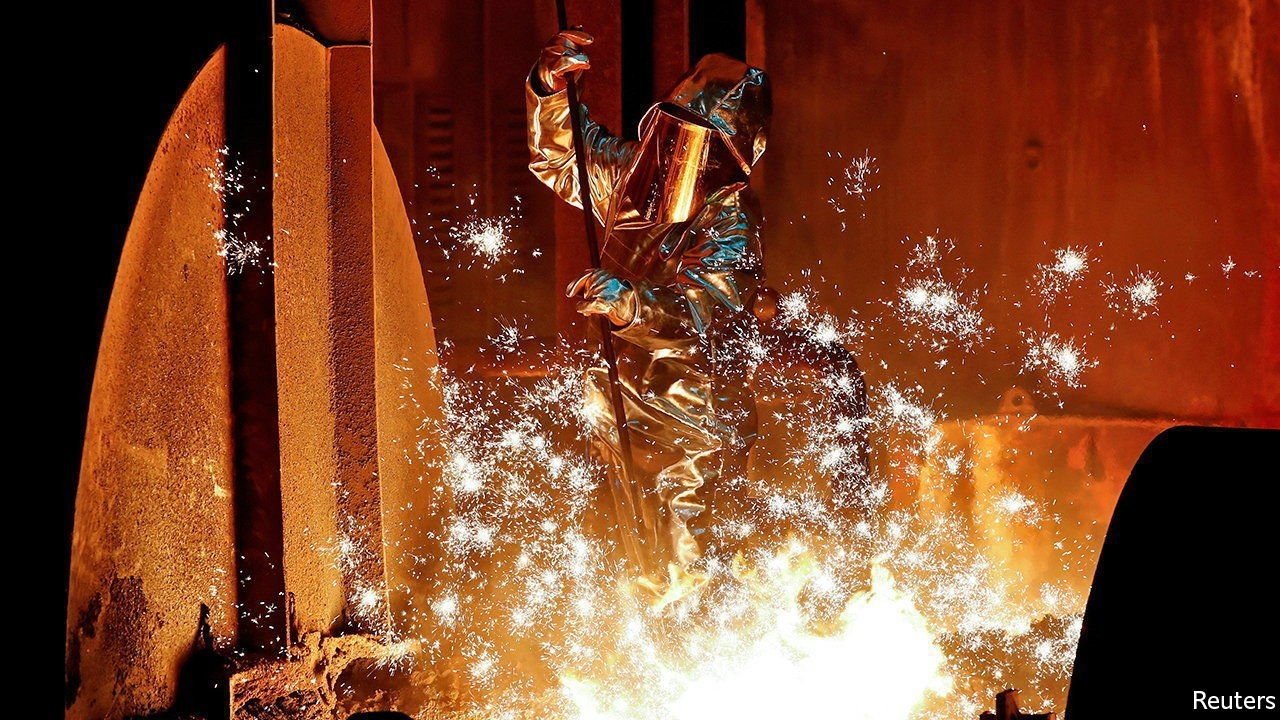
SINCE THE EU launched its emissions trading system in 2005, industries have followed divergent greenhouse-gas trajectories. The power sector has cut them by half. Among cement- and steelmakers, which got free allowances for four-fifths of their exhausts to stop the shift of production abroad, they have barely budged.
The European Commission wants to end this handout. Last month the EU’s executive arm proposed new rules to help the bloc meet its goal of cutting emissions by 55% from levels in 1990 by 2030. One proposal would withdraw free allowances for producers of aluminium, cement, fertiliser, iron and steel, and levy import tariffs on these products based on their carbon content. This “carbon border adjustment mechanism” (CBAM) aims to level the playing field. If Europe’s steel mills must pay for the carbon they spew, so will their Chinese rivals selling to the EU.
The EU plan is just that for now. It needs the nod from the European Parliament and member states. China says it violates World Trade Organisation rules; others may challenge it. If enacted, CBAM would not start until 2026 and take a decade to roll out. Still, it is a test case that governments and firms elsewhere will study.
ICIS, a research firm, predicts that by 2030 CBAM-covered companies will receive 145m fewer tonnes of annual allowances than…